
The Diverse Benefits of Exosome-Based Therapies

Exosome-based therapies are rapidly gaining attention in the medical and wellness communities. These tiny vesicles, naturally released by cells, carry powerful biological messages that can influence healing and regeneration. As research advances, the exosome therapy advantages become clearer, offering promising new options for treating a variety of conditions. This article explores the science behind exosomes, their therapeutic potential, and practical insights into how they can improve health outcomes.
Understanding Exosome Therapy Advantages
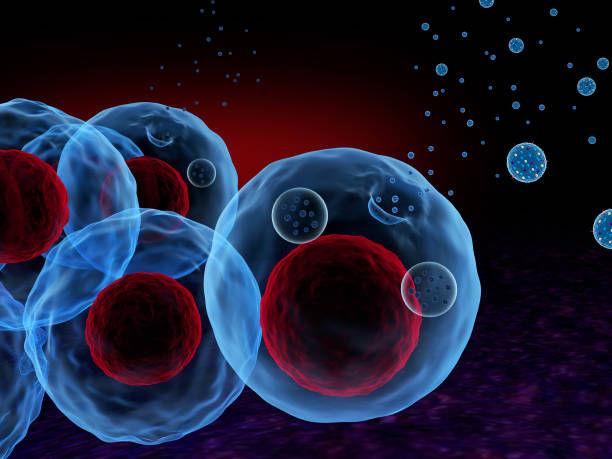
Exosomes are small extracellular vesicles, typically 30-150 nanometers in size, secreted by almost all cell types. They play a crucial role in cell-to-cell communication by transporting proteins, lipids, and genetic material. This natural delivery system allows exosomes to influence the behavior of recipient cells, making them a powerful tool in regenerative medicine.
The exosome therapy advantages stem from their ability to:
Promote tissue repair and regeneration
Modulate immune responses
Reduce inflammation
Enhance cellular communication
Unlike traditional stem cell therapies, exosome treatments do not involve live cells, which reduces the risk of immune rejection and tumor formation. This makes exosome therapy a safer and more targeted approach for many patients.

How Exosome Therapy Works in Medical Treatments
Exosome therapy involves isolating exosomes from donor cells, often stem cells, and administering them to patients. These exosomes carry bioactive molecules that can stimulate healing processes in damaged tissues. The therapy can be delivered through various means depending on the condition being treated.
For example, in orthopedic medicine, exosome therapy can accelerate the repair of cartilage and tendons by promoting the growth of new cells and reducing inflammation. In dermatology, exosomes help rejuvenate skin by enhancing collagen production and reducing signs of aging.
The process typically includes:
Extraction - Collecting exosomes from cultured stem cells or other sources.
Purification - Removing impurities to ensure safety and efficacy.
Administration - Delivering exosomes to the target area.
This targeted approach allows for precise treatment of injuries, chronic conditions, and degenerative diseases.
What are the benefits of exosome therapy?
The benefits of exosome therapy are broad and impactful. Here are some of the key advantages supported by clinical studies and patient experiences:
1. Accelerated Healing and Tissue Regeneration
Exosomes contain growth factors and signaling molecules that stimulate cell proliferation and repair. This can lead to faster recovery from injuries such as muscle tears, ligament damage, and bone fractures.
2. Anti-Inflammatory Effects
Chronic inflammation is a root cause of many diseases. Exosomes help regulate immune responses, reducing inflammation and preventing further tissue damage.
3. Enhanced Skin Rejuvenation
In cosmetic applications, exosome therapy promotes collagen synthesis and skin cell renewal. This results in improved skin texture, reduced wrinkles, and a youthful appearance.
4. Neuroprotection and Cognitive Support
Emerging research suggests exosomes may support brain health by protecting neurons and promoting neural regeneration. This holds promise for conditions like Alzheimer's and Parkinson's disease.
5. Immune System Modulation
Exosomes can help balance immune activity, making them useful in autoimmune diseases and transplant medicine.
These benefits highlight why many patients and practitioners are turning to exosome therapy as a versatile and effective treatment option.
For more detailed information on exosome therapy benefits, visit the linked resource.
Practical Applications and Future Directions
Exosome therapy is already being applied in various medical fields, including orthopedics, dermatology, neurology, and cardiology. Here are some practical examples:
Orthopedics: Treating osteoarthritis, tendonitis, and sports injuries.
Dermatology: Addressing skin aging, scars, and hair loss.
Looking ahead, researchers are exploring ways to engineer exosomes for targeted drug delivery and personalized medicine. This could revolutionize how we treat complex diseases by harnessing the body's own communication system. Areas of study include:
Neurology: Supporting recovery after stroke or traumatic brain injury.
Cardiology: Promoting heart tissue repair after myocardial infarction.

Considerations and Recommendations for Patients
If you are considering exosome therapy, here are some practical tips:
Consult a qualified healthcare provider who specializes in regenerative medicine.
Verify the source and quality of exosome products to ensure safety.
Understand the treatment plan, including the number of sessions and expected outcomes.
Monitor your progress and report any side effects promptly.
Maintain a healthy lifestyle to support the therapy’s effectiveness.
Exosome therapy is not a one-size-fits-all solution, but with proper guidance, it can be a valuable addition to your health regimen.
Embracing the Potential of Exosome Therapies
The field of exosome-based therapies is evolving quickly, offering new hope for patients with a wide range of conditions. By leveraging the natural communication pathways of cells, exosome therapy provides a unique and powerful approach to healing and regeneration.
As research continues to unlock the full potential of exosomes, their advantages will likely expand, making them a cornerstone of future medical treatments. Whether for injury recovery, skin rejuvenation, or chronic disease management, exosome therapy represents a promising frontier in healthcare innovation.


Comments